Your roof is one of the most important parts of your home. It takes half of your home’s exterior and is doing some serious work for you. It protects your loved ones and the structure itself from rain, wind, and sun. Yet, many homeowners don’t know the basics about residential roofing until a problem arises.
We believe knowing the fundamentals can save you money and unnecessary stress. So, we have put together this guide to answer all your questions regarding residential roofing.
Why Residential Roofing Can Be Confusing for Homeowners
Homeowners have to face a lot of confusion when they are asked about residential roofing. You may now ask, what is there to be confused about? Well, there are many materials, styles, different costs, and installation methods.
- Should you choose asphalt shingles, metal, or clay tiles for your roof?
- How do you know when it’s time to repair or replace your roof?
- This is basic roofing knowledge every homeowner should have.
- Understanding this helps you avoid scammers when issues arise with your roof.
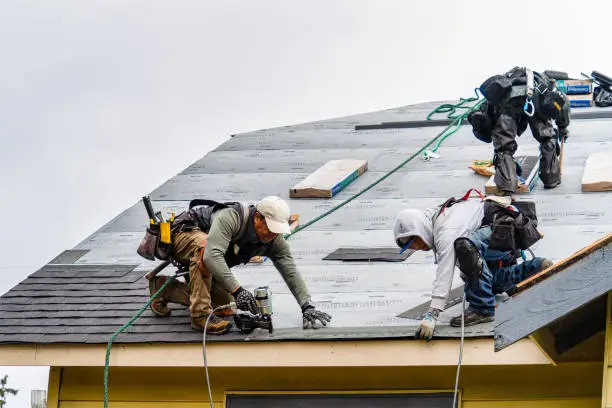
Types of Residential Roofing Materials
As you know, there are many types of roofing in Weston, FL, each with its own pros and cons.
Come with us to learn more about roofing materials
Asphalt Shingles
These are the most popular roofing materials in the U.S. because they are affordable and versatile. Moreover, they come in a wide variety of colors and styles.
Estimated lifespan: 20 to 30 years with proper maintenance.
Perfect for: Homeowners on a budget who want a reliable option that fits most home designs.
Metal Roofing
Homeowners love metal roofs because of their durability. They are also energy-efficient because they can reflect sunlight to keep your home cooler in summer. You can install them as standing seam panels and metal shingles.
Estimated lifespan: 40 to 70 years
Perfect for: Homeowners looking for a low-maintenance option that lasts a long time
Clay or Concrete Tiles
These tiles are extremely durable! They offer a classic look that adds curb appeal. One thing about them is that they are heavy, so your home must have a strong roof structure to support them.
Estimated lifespan: Over 50 years
Perfect for: Hot climates because they help keep the home cool
Wood Shingles or Shakes
Do you know what wood shingles are made from? They are made from cedar, redwood, and pine! That’s why wood roofs give a natural and rustic appearance. They are less fire-resistant than other materials, though, and require regular maintenance. And you would have to constantly clean and treat them to prevent rot or insect damage.
Estimated lifespan: 20 to 30 years
Perfect for: Homeowners who want a cozy look despite the extra upkeep.
Signs You Need Residential Roofing Repairs
Regular inspections are key to catching roofing issues before they get bigger. Don’t worry, even the strongest roofs can show wear over time.
You just have to look for these warning signs
| Missing or cracked shingles | Water leaks inside your home |
| Mold or mildew on the roof or attic | Granules from shingles in gutters |
How to Maintain Your Roof
You should take special notice of the maintenance of your roof. It is only the simple habits that make a big difference in residential roofing longevity.
Here is everything you, as a homeowner, can do
Clean Gutters Regularly → Clogged gutters can cause water damage to your roof. So, don’t take cleaning gutters lightly.
Trim Overhanging Branches → Prevents scratches and fallen branches from damaging shingles.
Check for Ice Dams in Winter → Ice buildup is more common than you think. It can cause leaks and shingle damage.
Schedule Annual Inspections → Don’t hesitate to call in the big guns for your roof. Professionals can spot issues before they become major financial headaches.
Energy Efficiency and Residential Roofing
Modern roofs can do more than just protect your home.
Let’s see how some coatings improve energy efficiency
| Cool Roof Coatings | Insulated Roof Panels | Ventilation Systems |
| Keep your home cooler by reflecting sunlight | Reduce heating and cooling costs | Proper airflow prevents heat buildup |
Cost Considerations for Residential Roofing
Well, for costs, there is no exact number because it depends on the material you choose and the roof size. One piece of advice is that you have to balance the cost with durability and maintenance needs.
Asphalt shingles → The most affordable
Metal and tile roofs → More expensive upfront, but last longer
Wrapping Up
Your roof is more than a house cover. It is a critical part of your home’s protection and efficiency. It is only fair that homeowners understand how residential roofing works. From choosing the right material to maintaining your roof, knowledge is key! A well-maintained roof protects your home and adds value for years to come. Whether you are a first-time homeowner or upgrading an old roof, keeping these basics in mind makes sure your home stays in its best form.
FAQ
What are the three types of roofing?
The three primary roofing categories in residential systems are asphalt shingles, metal roofing, and tile/slate.
Which type of roofing is best?
Metal roofing is considered the best all-around choice. It balances a 50-year lifespan with energy efficiency, fire resistance, and moderate weight compared to heavy tile.
What are the three main types of roofs?
The three main types of roofs are gable, hip, and flat.
What is the strongest roof material?
Natural Slate is arguably the strongest and most durable material. It is capable of lasting over 100 years.
What is the height of a standard roof?
Residential ceilings are 8 to 10 feet, while commercial spaces have higher ceilings, around 10 to 12 feet or more.