Despite their many advantages, flat roofs come with their fair share of challenges and require regular maintenance. A step-by-step flat roof repair guide for homeowners includes identifying and cleaning the damaged area, preparing the area, applying the adhesives or patches, sealing the edges and applying finishing touches.
You must consider the general condition of your roof before attempting repairs. 3 Squares Roofing, LLC provides flat roof repair using the best materials and modern techniques to ensure your roof stands strong against the elements.
Flat Roof Repair Process Guide For Water-Tight Homes
Want to install a flat roof but worried about its performance? Studies show that flat roof failures are related to drainage issues or weak membranes, not the design itself. Gone are the days when flat roofs were considered ideal for commercial properties.
Homeowners are increasingly installing flat roofs due to their affordability, low maintenance, and the ease of flat roof repair. However, regular maintenance and timely flat roof repairs in Pembroke Pines, FL are necessary to extend their life and ensure optimal performance. You must also consider the age and general condition of your roof before attempting any DIY repairs.
| Did you know? The weak spots of a flat roof, where they are most exposed to damage, include seams edges and flashings drainage points and surface coatings |
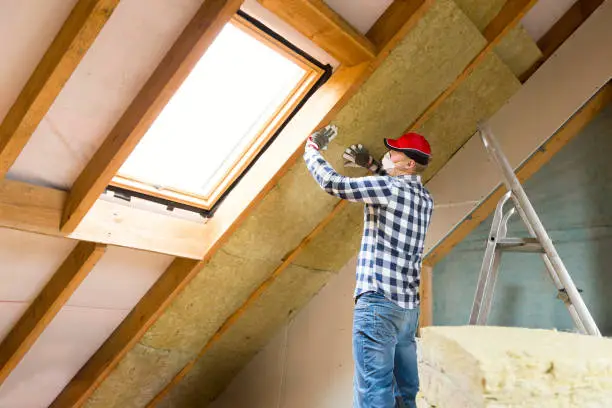
Here is your step-by-step guide to perform flat roof repairs.
- Identifying and Cleaning the Damaged Area
Carefully inspect your roof for any signs of cracks, tears, blisters, or holes for flat roof repair. Remove debris, lightly scrub tough dirt with a mild cleaning solution, and let it dry completely, as clean surfaces help adhesives adhere better.
- Preparing the Area
Use a roof cutter and cut out any damaged sections or blisters for flat roof repair. If you find accumulated moisture inside blisters or loose materials, let it dry completely or use a blow dryer. A watertight seal is possible only on clean, dry surfaces, and smooth out any bumps or gaps for proper repair.
| Did you know that the standard pitch of a flat roof is never greater than 10 to 15 degrees to the horizontal? |
- Applying the Adhesives or Patching
For flat roof repair, cut a patch slightly larger than the damaged section. Apply adhesive compatible with your roofing type evenly, place the patch on top, and press firmly to prevent wrinkles, gaps, or air pockets.
- Make sure the adhesive is at least two inches beyond the edges of the damaged section to ensure proper coverage and durability of repairs.
| Important fact Common flat roofing materials include EPDM (rubber), modified bitumen, BUR (built up roofing) using tar and gravel, TPO and PVC roofing. |
- Sealing the Edges
Once the patch is securely in place, apply an additional generous layer of adhesive all around the perimeter of the repaired section. This will ensure a watertight seal and prevent any future issues and water infiltration. Allow the area to dry completely before moving on to the next step.
- Finishing Touches
Press down the patched area with a roof roller to smooth out any air bubbles and ensure proper adhesion. Apply more sealant if you notice any imperfections or gaps in the area to make sure the repairs last a long time. Let the area cure completely to ensure your roof is protected against the daily wear and tear.
| Fast Fact Minor ponding can easily turn into a thousand dollar bill if you ignore flat roof maintenance. |
Conclusion
Caring for your flat roofs results in a long lasting structure. Small isolated damage can be easily addressed by homeowners using the simple steps mentioned above. If you think the damage is extensive and leaks have penetrated the underlayment and insulation, call professional services. Regular sealing and maintenance help maintain the energy efficiency of your homes and result in safe, durable structures.
FAQs
Which is more high-maintenance, flat or sloped roofs?
Flat roofs require less straightforward maintenance, are more accessible and easy to inspect than sloped roofs.
What is the lifespan of a flat roof?
TPO or PVC membrane roofs can last for around 25 years while more durable EPDM can last for up to 30 years.
What is the cheapest way to cover a flat roof?
EPDM is the cheapest and most durable way to cover a flat roof, known for its longevity and high performance.
How can I prevent future flat roof damage?
Keep drains clear, repair small issues promptly, maintain proper slope, and schedule inspections.
Can I repair a flat roof myself?
Minor tasks like clearing debris are safe; major repairs require a professional roofer.